
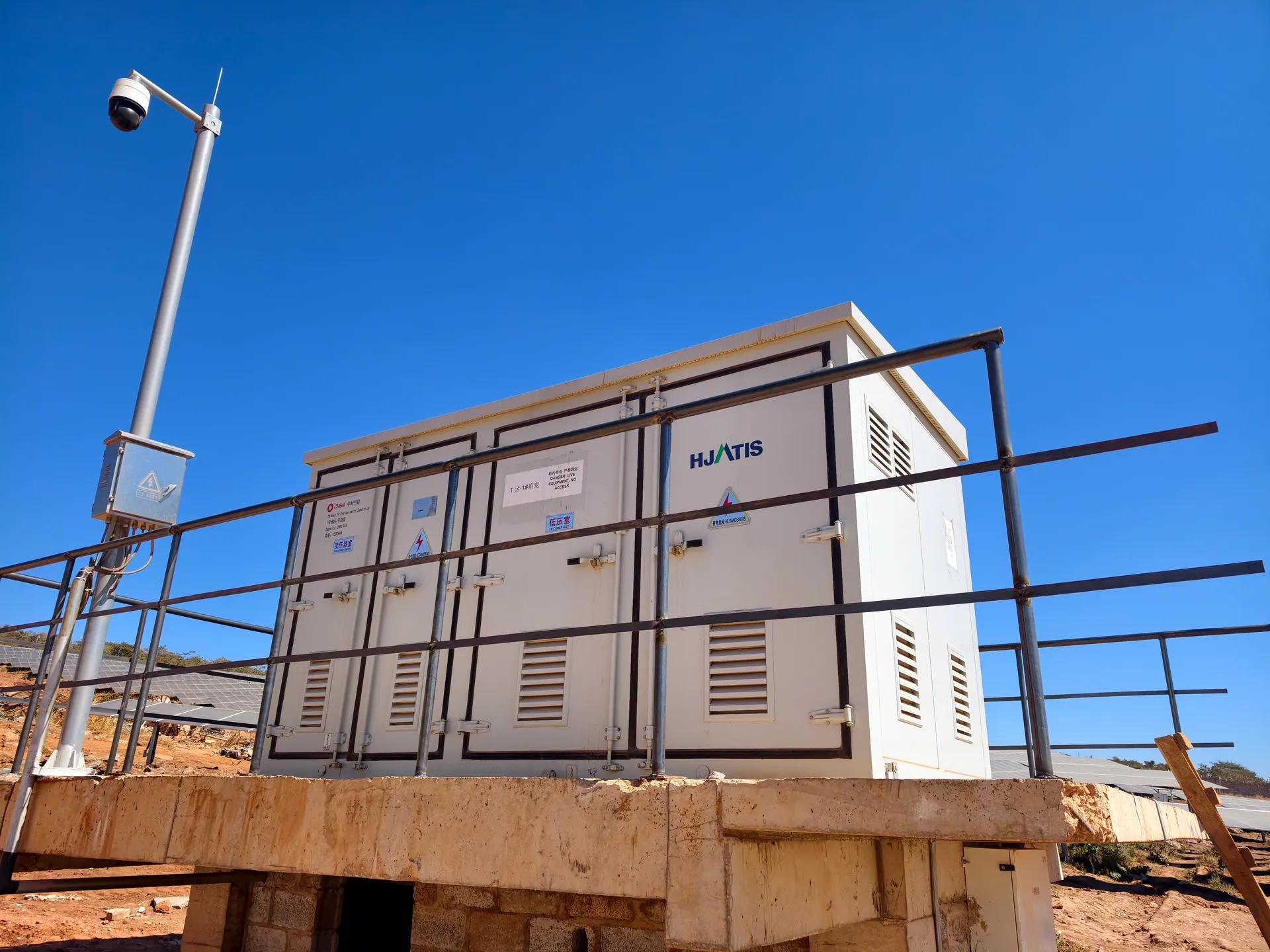
FAT objective
An E-House FAT checks the manufactured package against approved drawings and agreed operating sequences. Define the procedure, acceptance criteria and witness points before the test, and record the outcome of each step.
Agree the procedure before booking witnesses
Send the buyer the test sequence, instruments, acceptance criteria, hold points, simulations and result sheets in advance. Link each test to a drawing or specification clause. Identify witnessed tests, document-review items and checks to repeat after transport or reassembly.
Check the equipment against the drawings
Record nameplates, serial numbers, relevant firmware versions, drawing revisions and the final bill of materials. Check the lineup, cable entries and access clearances. Collect component type-test documents and the routine-verification records for the completed MV and LV assemblies, with references to their applicable design documents.
Test protection, controls and auxiliaries together
Use the approved procedure for normal, abnormal and loss-of-supply scenarios in the agreed cause-and-effect schedule. Include the relevant interlocks, trip paths, local and remote controls, emergency stops, alarms, UPS and DC functions, HVAC duty/standby changeover, fire alarm connections and SCADA points.
For each simulation, record the input, equipment operated, expected response and actual result. Reference screenshots or photographs to the test step. Qualified personnel must carry out the work under the agreed safety arrangements.
Inspect access, sealing and ventilation
Check doors, locks, escape routes, lighting, labels, maintenance access, cable penetrations, earthing bonds, weather seals and condensation measures. Confirm that equipment can be withdrawn or replaced through the planned route. Compare any changes affecting arc-pressure relief or fire separation with the relevant test arrangement, drawings and calculations.
Sign the results and identify shipment blockers
Give every open item a responsible party, due date and required correction. Attach the signed correction sheet, revised drawing or referenced photograph when it is resolved. Separate shipment blockers from remaining documentation and site work.
The release note should list the agreed transport condition, items removed for shipping, preservation instructions, packing list and tests to repeat after reassembly. Keep it with the signed FAT results.
Related products
Product documents
Available test reports and manuals for the equipment shown on this page.
No public report or manual is currently listed for these models. The download centre contains the available company and product literature; our team can answer questions about other documents.
Questions and answers
Is an E-House FAT a type test?
No. Type-test and design-verification documents support the design. FAT checks the manufactured project package and its agreed functions.
Must the buyer witness every step?
The inspection plan should identify witness, hold and document-review points, with acceptance criteria and required records agreed in advance.
Sources and further reading
Read these publications alongside the project specifications and the documents for the equipment offered.
IEC Webstore — IEC 62271-202:2022 ↗IEC Webstore — IEC 62271-200:2021 ↗IEC Webstore — IEC 61439-1:2020 ↗Procurement guidance. The project engineer and equipment manufacturer must confirm the final design and acceptance criteria.