
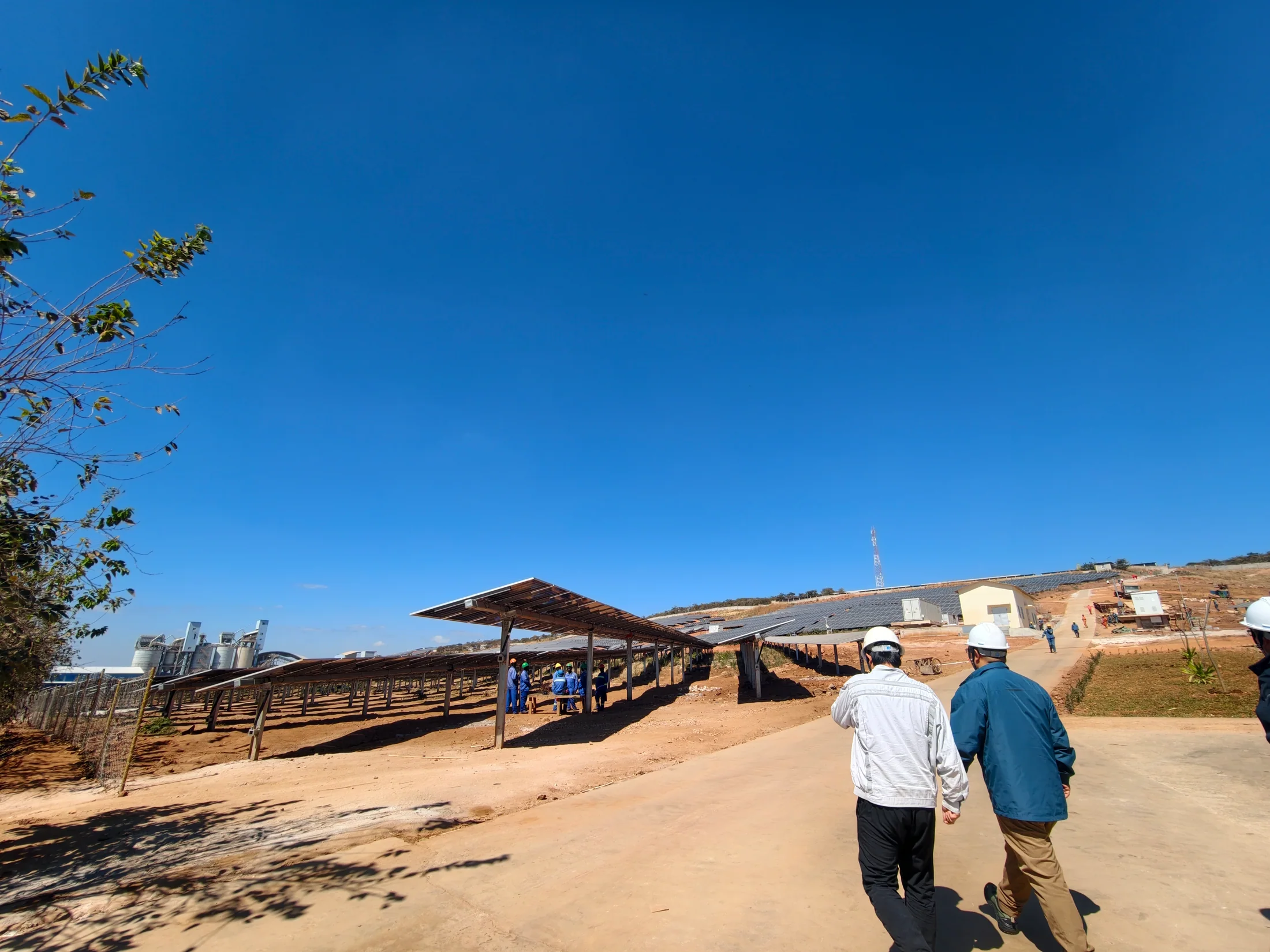
Site check
SAT checks the E-House after transport, reassembly and connection to the site. Agree which tests must be repeated, check site-dependent functions and close the relevant FAT and installation punch items before acceptance.
Record condition at delivery
Compare module identity, seals, packing lists and any specified shock or tilt indicators with the dispatch records. Photograph damage before unloading. Record water ingress, corrosion, broken supports, displaced equipment and missing loose parts.
Review storage instructions immediately, especially if energisation will be delayed. Follow the specified arrangements for space heaters, desiccants, ventilation, battery care and inspections. Start the preservation log when the shipment is received.
Inspect the joints opened for transport
Use the supplier’s approved reassembly instructions to inspect mechanical joints, busbar or cable links, protective bonding, control plugs, fibre links, HVAC ducts, fire barriers and weather seals. Enter the specified torque and test results on the installation sheet. Mark field changes on drawings and review their effect on segregation, bend radius, cooling, arc-pressure relief and access.
Run the agreed site tests
Target the connections and conditions changed by shipment or installation. Depending on the equipment and approved SAT procedure, checks may include insulation resistance, protective-circuit continuity, phase identification, control wiring, interlocks, protection injection, trip paths and transformer or cable connections. Qualified personnel must follow approved isolation plans and safe test methods.
Check HVAC duty/standby operation, alarms and settings with the actual supply. Test applicable fire detection, emergency lighting, access control, local/remote commands, communications, time synchronisation and SCADA signals through the completed site network. Inspect external sealing, drainage, earthing, cable fire-stopping and safe access.
Complete the operator’s handover file
Combine FAT punch items, transport observations, installation checks and SAT results in one close-out list. Deliver as-built drawings, protection settings, software backups, maintenance instructions, spares lists and training records. Transfer passwords through the agreed secure process. List any deferred performance, seasonal HVAC or utility-dependent test on the acceptance record, with responsibility and a due date.
Related products
Product documents
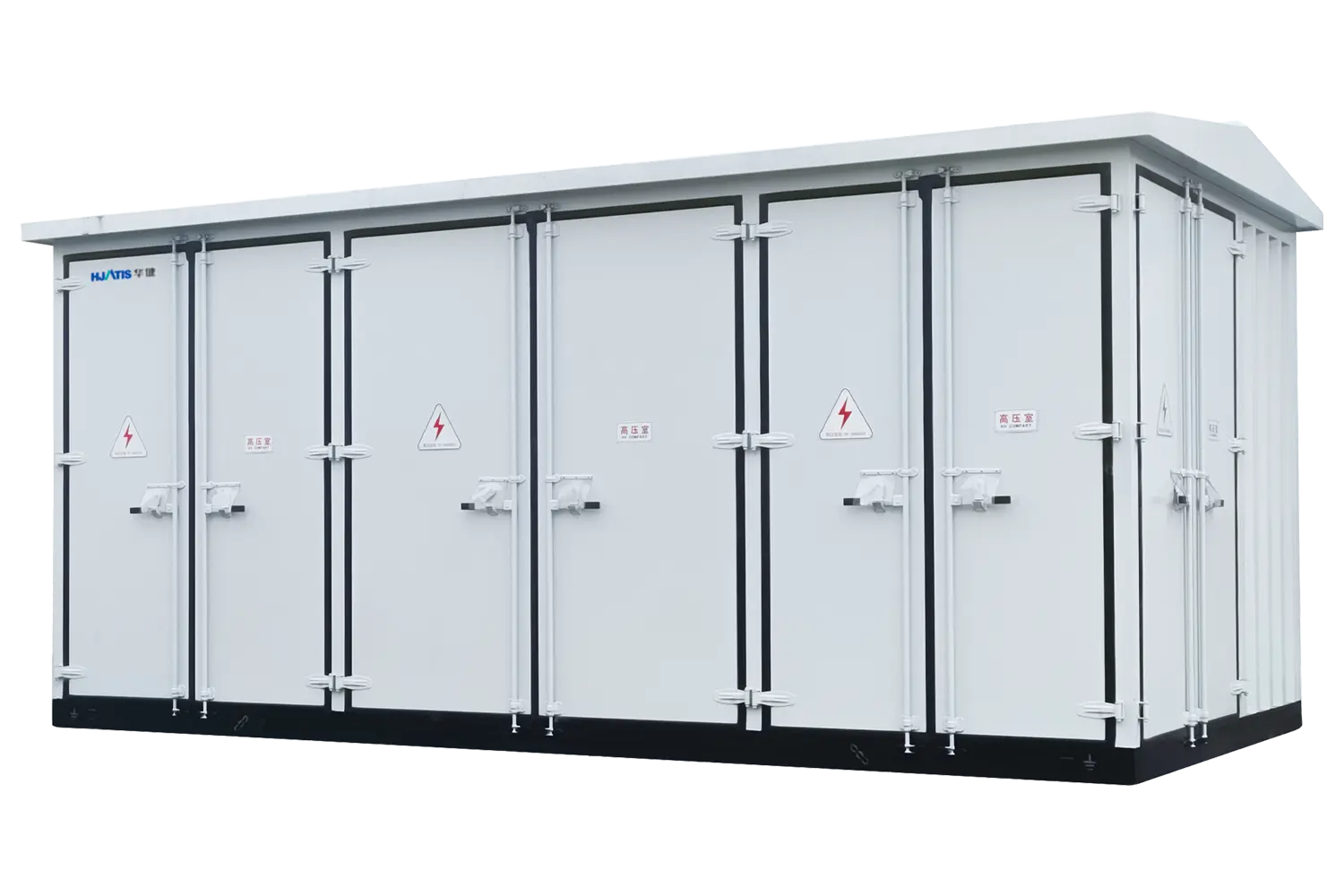
Available test reports and manuals for the equipment shown on this page.
No public report or manual is currently listed for these models. The download centre contains the available company and product literature; our team can answer questions about other documents.
Questions and answers
Why perform SAT after a successful FAT?
Transport, reassembly, site cabling, earthing and plant-control connections take place after FAT. SAT checks the resulting installation and the agreed site functions.
Should SAT repeat every factory test?
The approved SAT procedure should identify tests affected by transport, reassembly or site integration. The buyer and responsible engineers agree the scope and safe methods.
Sources and further reading
Read these publications alongside the project specifications and the documents for the equipment offered.
IEC Webstore — IEC 62271-202:2022 ↗IEC Webstore — IEC 61936-1:2021 ↗Procurement guidance. The project engineer and equipment manufacturer must confirm the final design and acceptance criteria.