
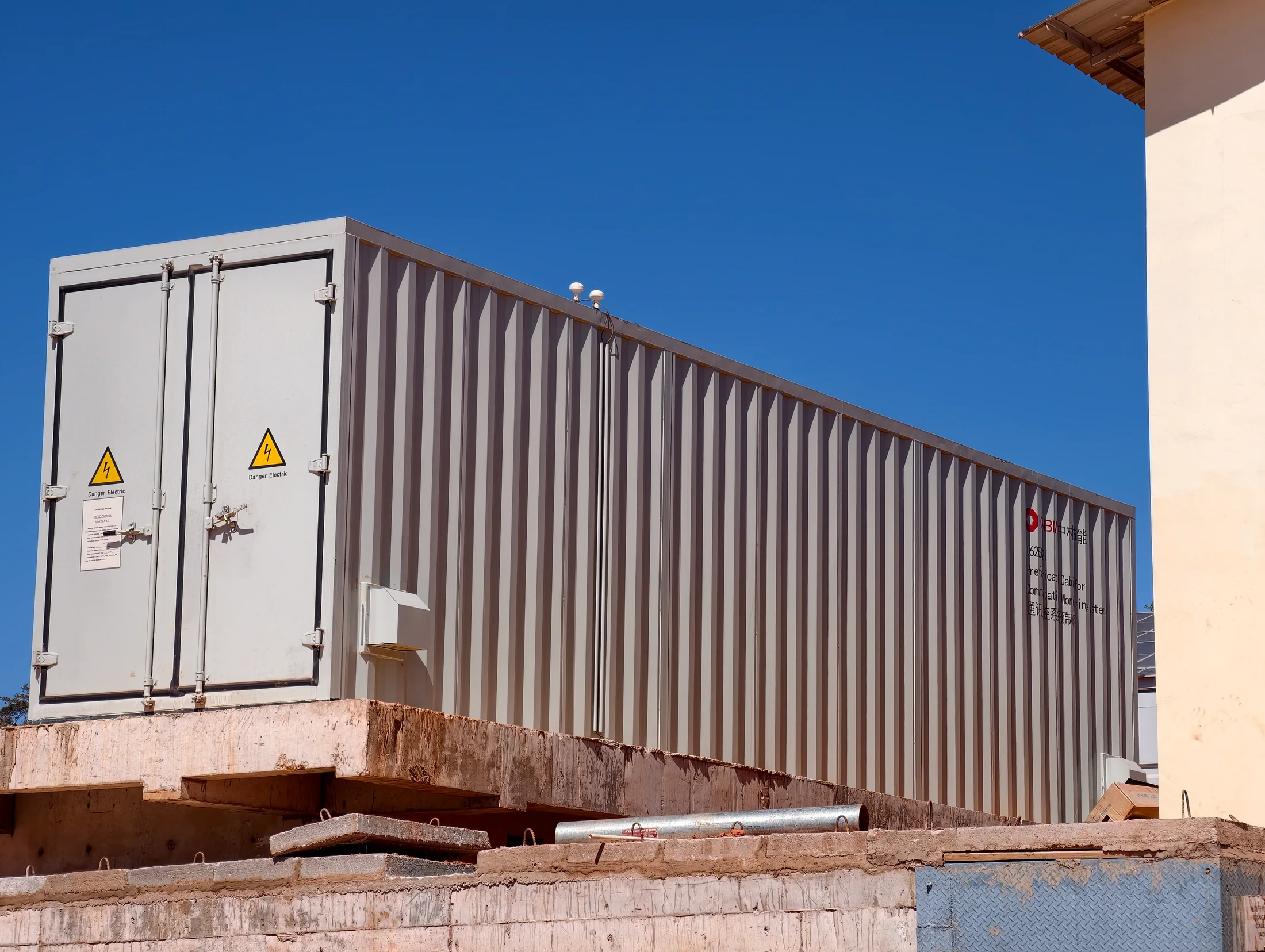
Design input
Before design, agree a site-condition sheet covering temperature, altitude, humidity, solar exposure, dust, corrosion, wind, rain, seismic inputs and available utilities. State the operating and maintenance conditions as well as the location.
Record the conditions at the actual site
Collect maximum, minimum and design ambient temperatures, daily temperature range, altitude, humidity profile, condensation risk, solar exposure, dust or sand characteristics, corrosive contaminants, wind, rainfall and seismic requirements. Include indoor cleanliness targets and available power supplies.
IEC 60721-3-3:2019 provides environmental classifications for stationary use at weatherprotected locations. Select the applicable class from the site data and operating conditions. IEC TS 60721-4-3:2023 relates those classes to environmental test procedures; choose tests after defining the service environment.
Check altitude assumptions for each item of equipment
Altitude can affect external insulation, cooling, temperature rise and fan performance. Ask suppliers for the altitude basis of ratings and tests, including the treatment of special service conditions under the applicable switchgear standard. The E-House design should reflect these assessments in any derating, clearances, ventilation and thermal calculations.
Plan condensation control and filter maintenance
Agree how the building will operate when occupied, unattended or without its normal supply. Specify anti-condensation heating controls, door-opening conditions, blocked-filter alarms and positive pressure where required. State the filter maintenance interval the operator can support.
For corrosive atmospheres, identify the contaminants and request the specified material grades, coating system and contact protection with their supporting declarations or certificates. An IP rating alone does not define these measures.
Review the heat-load calculation and remaining site work
Request a calculation showing equipment losses, people and lighting loads, solar gains, air leakage, cooling redundancy, internal temperature targets, alarm settings and performance with one cooling unit unavailable. Identify the buyer’s remaining work, such as shading, drainage, dust control, power quality and filter replacement.
Related products
Product documents
Available test reports and manuals for the equipment shown on this page.
No public report or manual is currently listed for these models. The download centre contains the available company and product literature; our team can answer questions about other documents.
Questions and answers
Is the project city enough to start environmental design?
The location helps identify data sources, but the design team also needs quantified site conditions, operating assumptions and the owner’s maintenance arrangements.
Does a higher IP rating prevent condensation?
Condensation depends on temperature, humidity, sealing, ventilation, heating and operating conditions. Define the control measures separately from the IP requirement.
Sources and further reading
Read these publications alongside the project specifications and the documents for the equipment offered.
IEC Webstore — IEC 60721-3-3:2019 ↗IEC Webstore — IEC TS 60721-4-3:2023 ↗IEC Webstore — IEC 62271-1:2017 ↗Procurement guidance. The project engineer and equipment manufacturer must confirm the final design and acceptance criteria.