
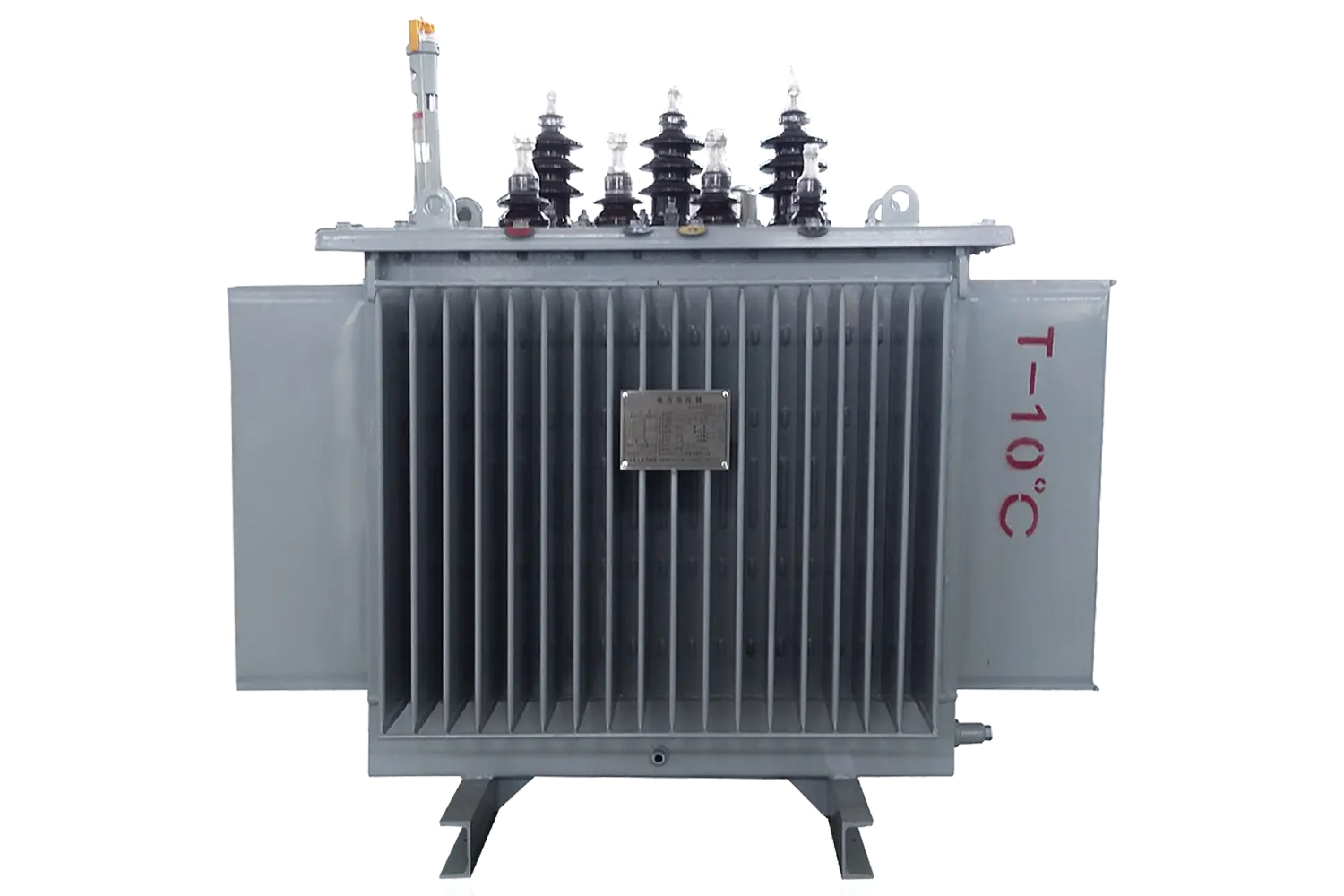
Read the loss figures together
Ask for no-load loss and rated-current load loss separately, with the voltage, frequency, tapping and reference temperature. Then compare both offers using the same expected loading periods and energised hours. A single efficiency percentage is insufficient without its operating conditions.
Read the two loss figures separately
No-load loss is associated mainly with energising the magnetic core. At the same supply voltage and frequency it is commonly treated as approximately constant with load. Load loss is associated with current through the transformer and includes winding and additional current-dependent losses. The quotation should identify the conditions attached to both figures.
At the stated full-load reference condition, adding no-load and load losses gives the main transformer loss total. Fan or pump consumption needs to be identified separately where applicable. Confirm whether any quoted total includes those auxiliaries before using it for an equipment comparison or a room heat calculation.
Put both quotations on one basis
Equal kVA ratings do not establish a complete match. Check voltage ratio, frequency, tapping, impedance, cooling mode and the relevant specification. A value described as typical should remain labelled typical; do not silently treat it as the supplier guarantee.
| Field | What each supplier should state |
|---|---|
| No-load loss | Value in W or kW, rated supply conditions and stated tapping |
| Load loss | Value at rated current, reference temperature and stated tapping |
| Cooling auxiliaries | Fan or pump power and when each operates |
| Status of figures | Guaranteed, measured on the offered unit, or indicative design data |
| Test basis | Applicable standard, reference conditions and acceptance treatment |
| Operating profile | Same energised hours and loading periods for both offers |
Use the load profile rather than one average
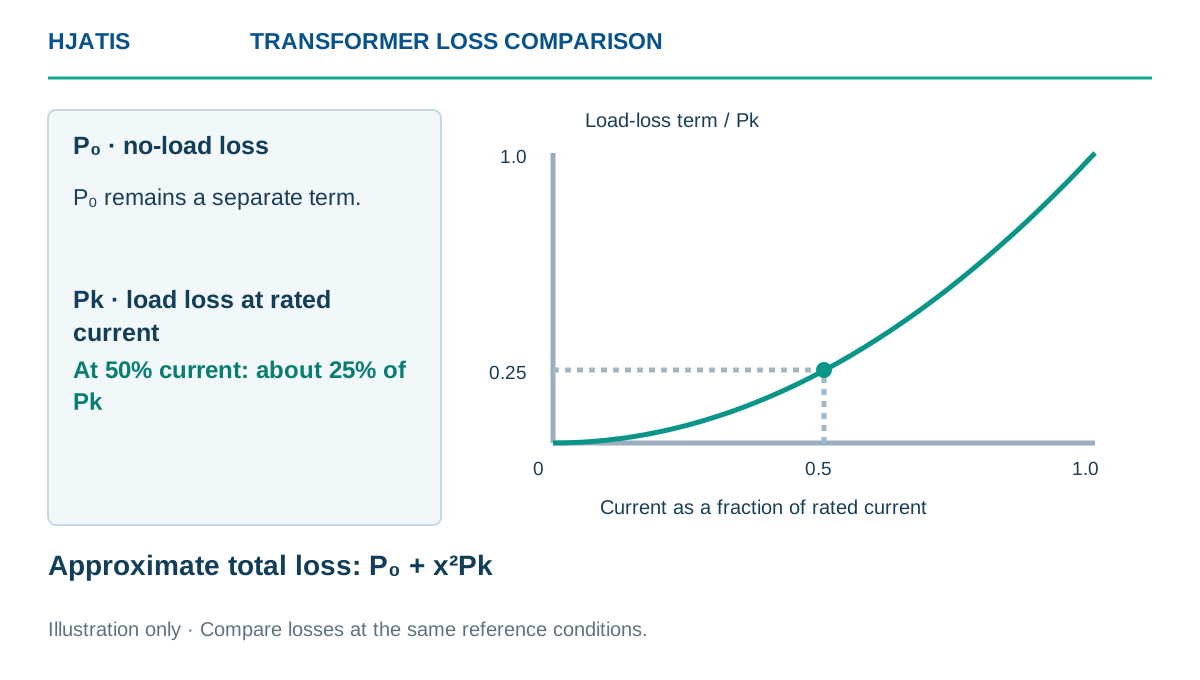
For a preliminary comparison at matched conditions, total main losses are often approximated by P0 + x² × Pk. Here P0 is no-load loss, Pk is rated-current load loss and x is the load-current fraction. This simplified expression does not account for all temperature, harmonic, voltage or auxiliary effects.
At half rated current, the current-dependent term in this approximation is one quarter of Pk; P0 remains. That is an illustration of the calculation, not a claimed HJATIS performance figure. It explains why a lightly loaded but continuously energised transformer can make no-load loss particularly relevant.
Separate energy estimates from purchase guarantees
If the load varies, calculate the estimated loss for each operating period and multiply by its duration. Sum those periods using consistent kW and hour units to obtain kWh. Applying the squared term to a single average load can give a different result from calculating each period separately.
The owner can apply its own energy-price assumptions to that estimate. Keep those assumptions visible and separate from the equipment price. Future operating hours, tariffs and load growth are uncertain, so this comparison should not be presented as a guaranteed saving or payback period.
Ask how the quoted figures will be checked
Before ordering, agree the guaranteed values, test conditions and contractual acceptance treatment. Ask which measurements will be reported for the delivered transformer and how reference-temperature corrections are presented. IEC 60076-19-1 addresses uncertainty in no-load and load-loss measurement; uncertainty and contractual tolerance should not be used as interchangeable terms.
Where the specification includes harmonic-rich loading, unusual voltage conditions or a cooling mode outside the simple comparison, obtain a manufacturer assessment. Send HJATIS the rating schedule and operating profile with the enquiry. The useful outcome is a comparison that another engineer can reproduce from the same supplier figures and assumptions.
Questions and answers
Can I compare two efficiency percentages directly?
Only when the load, power factor, supply conditions and included losses are on the same basis. Request the underlying loss schedule.
Is the lowest no-load loss always the best choice?
The operating profile matters. Compare both no-load and load losses, technical suitability and the owner’s purchasing criteria without assuming a universal winner.
Sources and further reading
Read these publications alongside the project specifications and the documents for the equipment offered.
Schneider Electric — transformer losses at different load fractions ↗Schneider Electric — obtaining transformer loss data and separating core and coil losses ↗IEC — general power-transformer standard ↗IEC — uncertainty in no-load and load-loss measurement ↗Procurement guidance. The project engineer and equipment manufacturer must confirm the final design and acceptance criteria.