
Scope answer
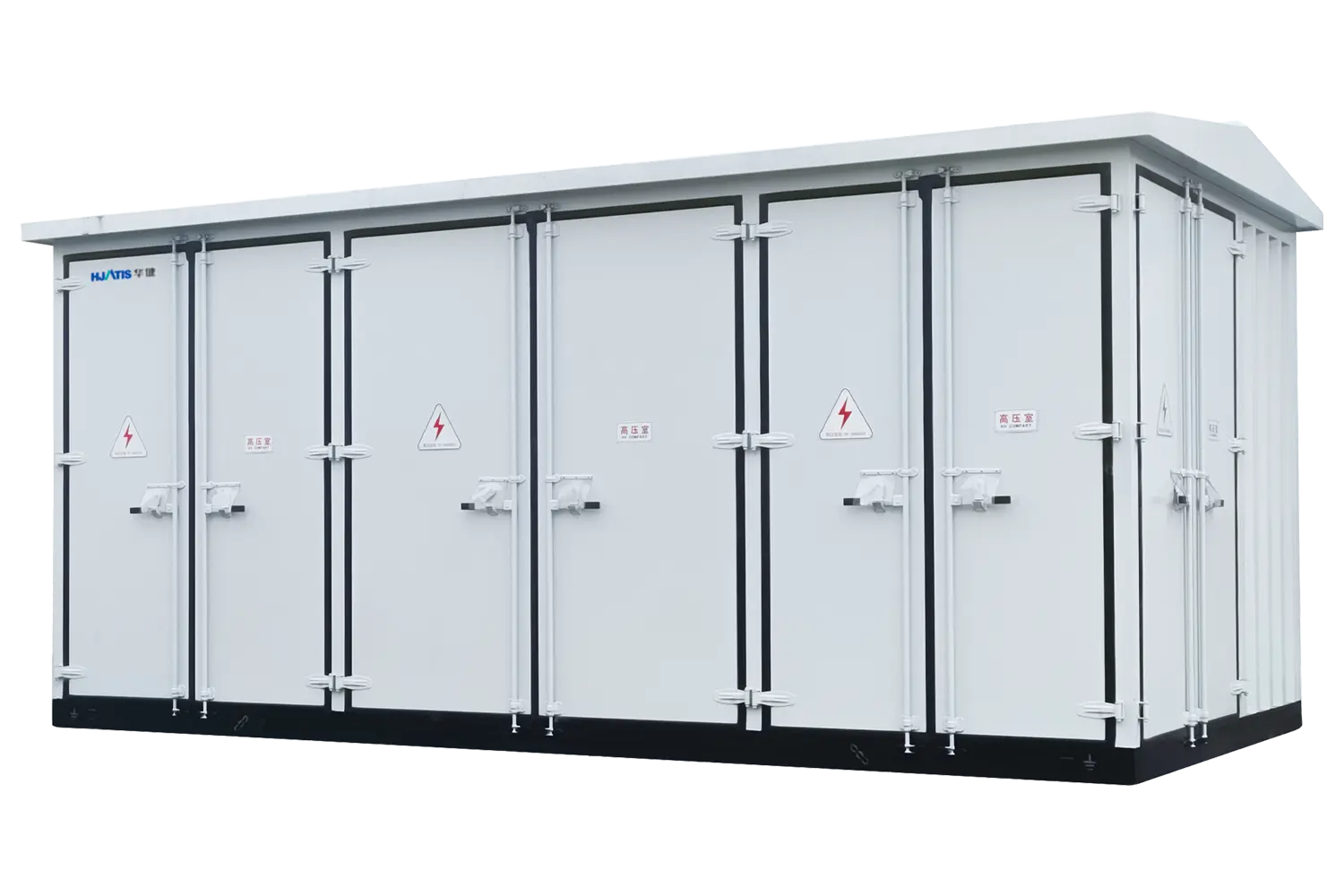
IEC 62271-202:2022 covers enclosed high-voltage prefabricated substations within its stated scope. For an E-House project, check the arrangement and identify the applicable requirements for each installed system and the site works.
Check whether the substation is within Part 202
IEC 62271-202 addresses enclosed high-voltage prefabricated substations connected by cable to networks up to and including 52 kV and 60 Hz. Its stated scope includes walk-in and non-walk-in substations for outdoor locations with public accessibility. Check the project arrangement against that scope.
An E-House can also contain LV switchboards, transformers, UPS and DC supplies, controls, telecoms, HVAC and fire detection. List these systems before agreeing what the supplier’s compliance statement covers.
Separate equipment, integration and site work
Use the applicable product standards for the installed equipment, such as IEC 62271-200 for switchgear and the relevant IEC 61439 parts for LV assemblies. Check installation requirements separately, including IEC 61936-1 where applicable. Equipment reports, E-House integration calculations and site installation checks have different scopes.
Put responsibilities on one sheet
For each subsystem, record the project clause, standard and edition, responsible designer, supply boundary and required document. Distinguish the enclosure, equipment inside it and work outside the E-House. Include cable connections, earthing, auxiliary supplies and control signals.
If the supplier proposes an alternative standard or an older edition, obtain the written deviation and its impact before award. Include accepted deviations and document references in the purchase specification.
Agree the technical documents before ordering
Start with the single-line diagram, general arrangement, equipment schedules, report-to-offer assessments, design-verification references, heat-load and ventilation calculations, earthing arrangement, protection and control description, FAT procedure and handover list. Tailor this list to the project and name the drawing, report or signed test sheet required for each item.
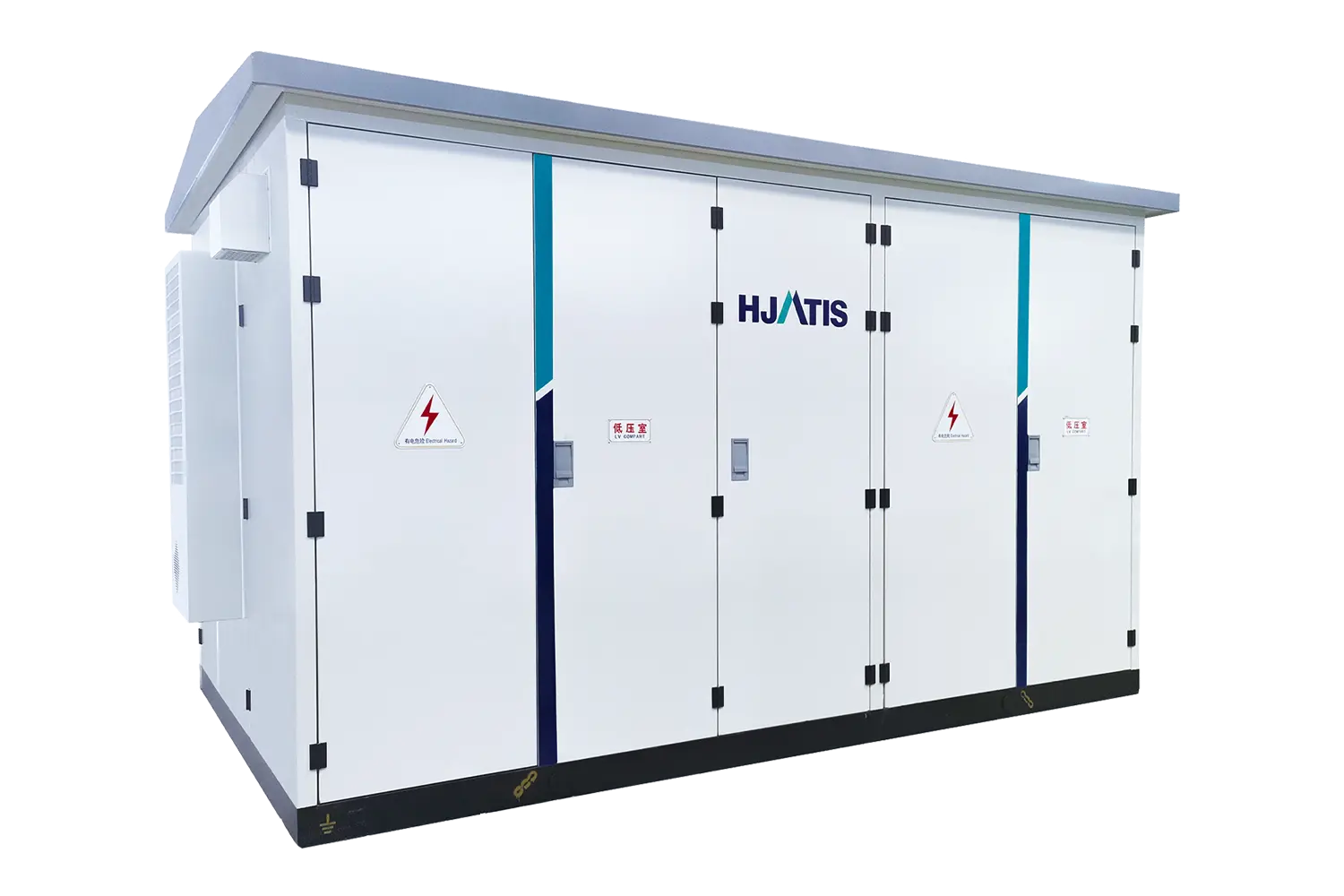
Related products
Product documents
Available test reports and manuals for the equipment shown on this page.
No public report or manual is currently listed for these models. The download centre contains the available company and product literature; our team can answer questions about other documents.
Questions and answers
Is every E-House covered by IEC 62271-202?
Applicability depends on the arrangement and the standard’s scope. A project E-House may include systems governed by several product and installation standards.
What should the buyer request first?
A subsystem list showing the applicable standards, supply boundaries, responsible parties and documents to be submitted.
Sources and further reading
Read these publications alongside the project specifications and the documents for the equipment offered.
IEC Webstore — IEC 62271-202:2022 ↗IEC Webstore — IEC 62271-200:2021 ↗IEC Webstore — IEC 61439-1:2020 ↗IEC Webstore — IEC 61936-1:2021 ↗Procurement guidance. The project engineer and equipment manufacturer must confirm the final design and acceptance criteria.