
Report verdict
Compare the offered lineup with the tested configuration. Record the complete IAC designation, LSC category, partition class, short-circuit ratings and component changes. List missing project information separately from test results.
Start with the report scope
This review refers to GB/T 3906-2020 and IEC 62271-200:2021 with Amendment 1:2024. Check the report edition, covered equipment and project specification before discussing acceptance.
For each tender clause, enter the offered value and the relevant report page, drawing or manufacturer declaration. If the submitted documents do not address an item, mark it as needing supporting information. Do not record a failed test when no test result has been provided.
Read the full IAC and LSC designations
For internal arc classification, check accessibility type, tested sides, arc current and duration. Review the test arrangement, room simulation, panel width and pressure-release route, especially if the offer changes the end panels or cable entries.
Check the loss of service continuity category and partition class in the report or model schedule. These describe the compartment arrangement and which circuits may remain energised during access; they cannot be inferred from the rated voltage.
List changes from the tested panel
Compare circuit breaker type, busbars, compartment geometry, shutters, cable terminations, instrument transformers and ventilation paths. Ask the manufacturer to identify unchanged components and explain each variation using the applicable design rule, calculation or additional test. Reference the affected drawing revision.
Add the project connections and site conditions
Use a separate schedule for cable test access, SCADA protocol, auxiliary supply, upstream interlocking, arc-duct routing and utility labelling. For outdoor or containerised installations, include temperature, altitude, humidity, pollution, condensation control and enclosure details.
An indoor switchgear report concerns the assembly. The E-House enclosure, HVAC, cabling, fire systems and site connections also need their own drawings, calculations or test records. Submit one comparison sheet with tender clause, offered value, document reference and remaining action.
Related products
Product documents
Available test reports and manuals for the equipment shown on this page.
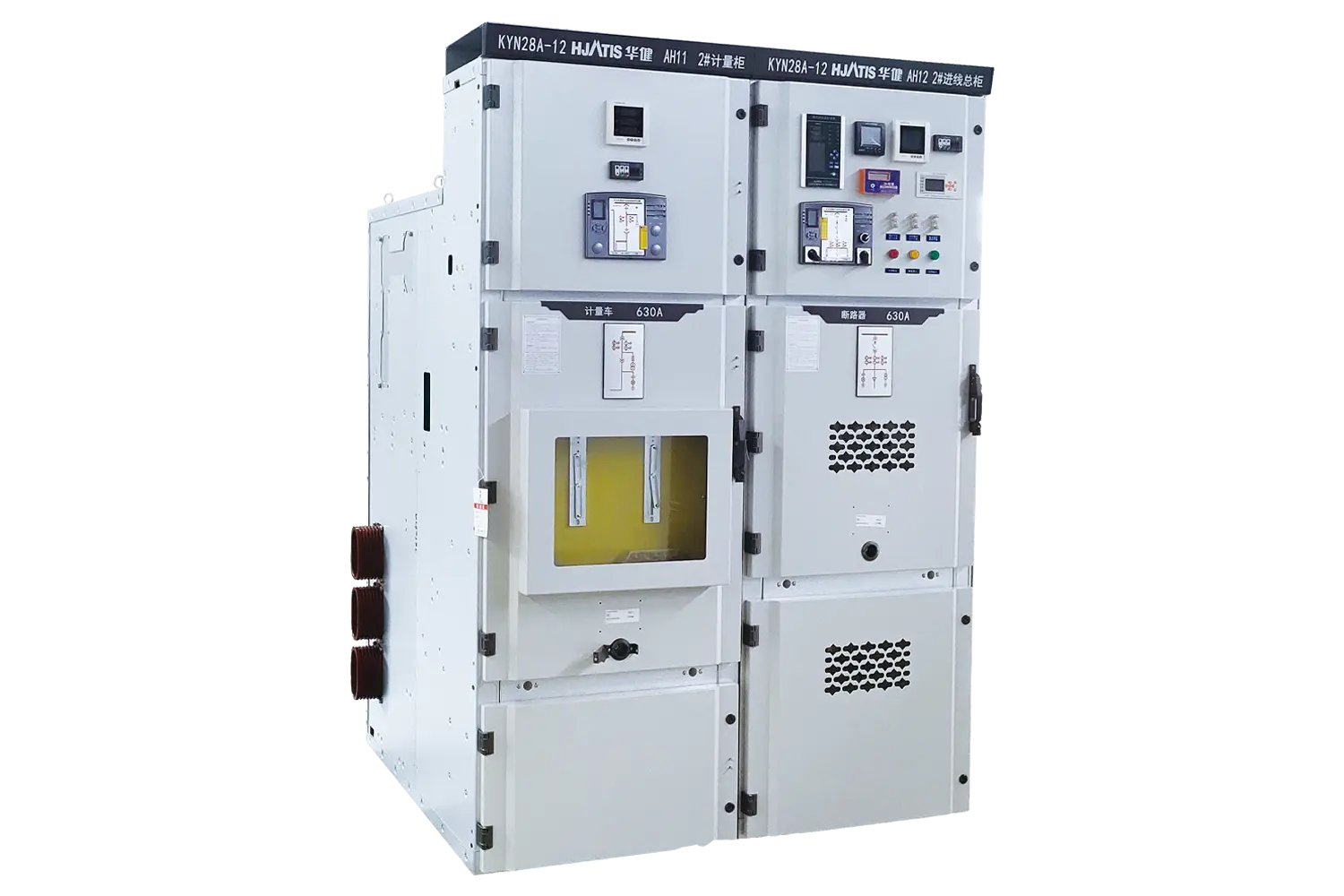
- HJ-MCS-12 · User manual · KYN28A-12/1250-31.5
- HJ-MCS-12 · Test report · 17Q2392-S
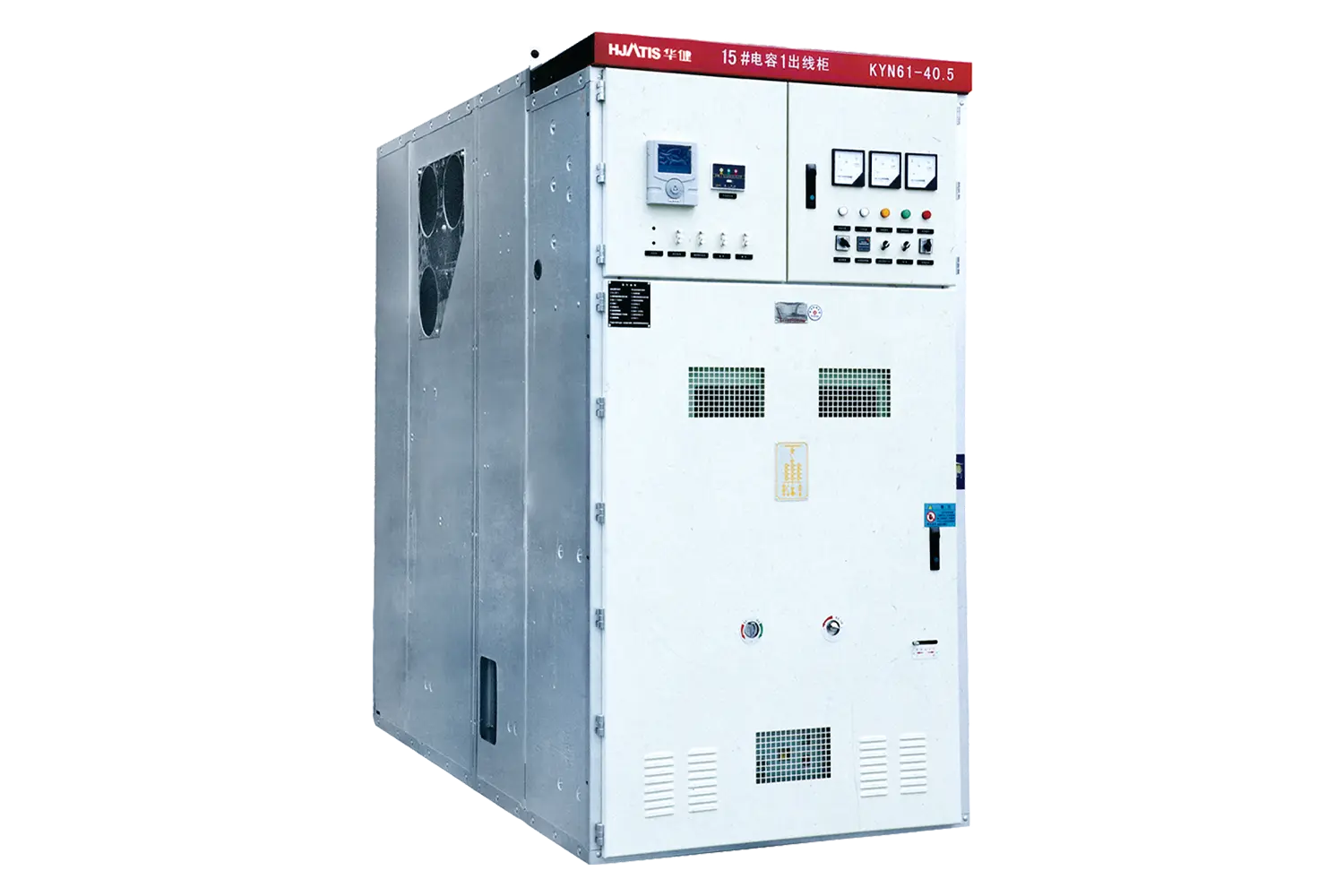
- HJ-MCS-40 · User manual · KYN61-40.5/2000-31.5
- HJ-MCS-40 · Test report · XG20091184
Each report identifies the tested model and configuration. Its results do not automatically apply to every product in a series. The download page explains the scope and includes the original report.
Questions and answers
Is an “arc-resistant” brochure statement enough?
Request the complete internal arc designation and its test report, then check whether the offered arrangement is covered.
Does an indoor switchgear report cover the complete E-House?
It supports the switchgear assembly within its scope. The building, auxiliaries and site installation require their own applicable documents and checks.
Sources and further reading
Read these publications alongside the project specifications and the documents for the equipment offered.
China National Standard Information — GB/T 3906-2020 ↗IEC Webstore — IEC 62271-200:2021 ↗IEC Webstore — Amendment 1:2024 ↗Procurement guidance. The project engineer and equipment manufacturer must confirm the final design and acceptance criteria.