
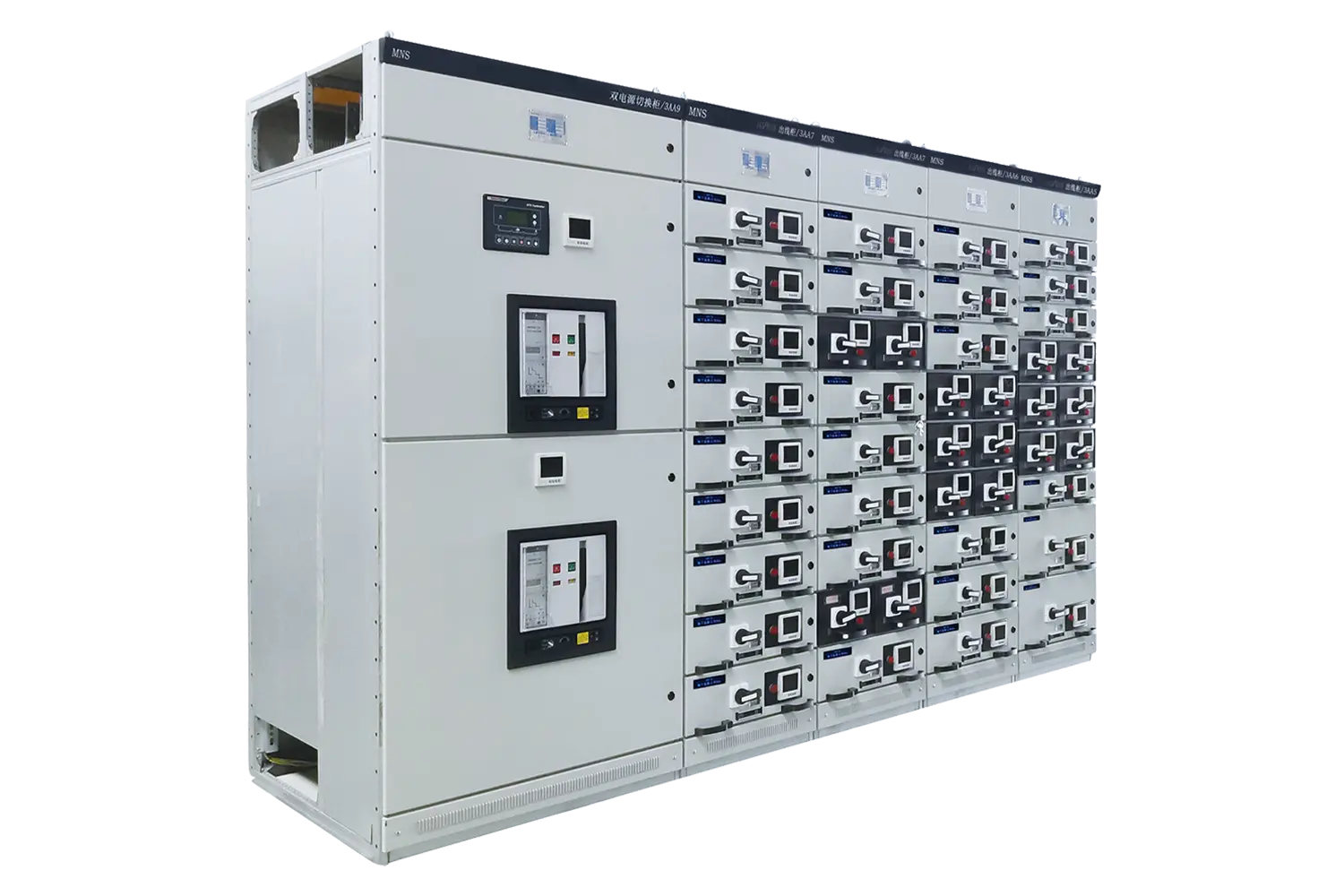
Assembly check
Component certificates cover individual devices. The complete LV assembly also needs an applicable design-verification basis and routine verification of each completed switchboard.
Use Part 1 with the relevant product part
This note references GB/T 7251.1-2023 and GB/T 7251.2-2023, and IEC 61439-1:2020 and IEC 61439-2:2020. General rules are used with the applicable product part. For a power switchgear and controlgear assembly, clarify the Part 2 scope if the submitted report cites only Part 1.
Identify the verified design
Ask who the original manufacturer is, which verified design is being used and what the panel builder has changed. The review covers the busbars, enclosure, protective circuits, clearances, creepage distances, component interaction, temperature rise and short-circuit withstand.
For component substitutions, rating increases, different separation arrangements or ventilation changes, request the applicable verification route and supporting documents. Record accepted deviations against the drawing revision.
Check the loading assumptions
Temperature-rise review needs the circuit loading, diversity assumptions, component losses, enclosure dimensions, ventilation and ambient conditions. Ask how the offered circuit schedule fits the verified design and the relevant group rated current assumptions. Include high ambient temperature, altitude and harmonic-producing loads in the design inputs.
Receive a record for each completed switchboard
Design verification establishes the characteristics of the design using the permitted verification methods. Routine verification checks each completed assembly. Request these as separate deliverables, with the delivered switchboard identified on its inspection and test sheet.
Agree which records the buyer will review or witness during FAT. Keep the final circuit schedule, drawing revision, design-verification reference and signed routine-verification sheet together in the delivery file.
Related products
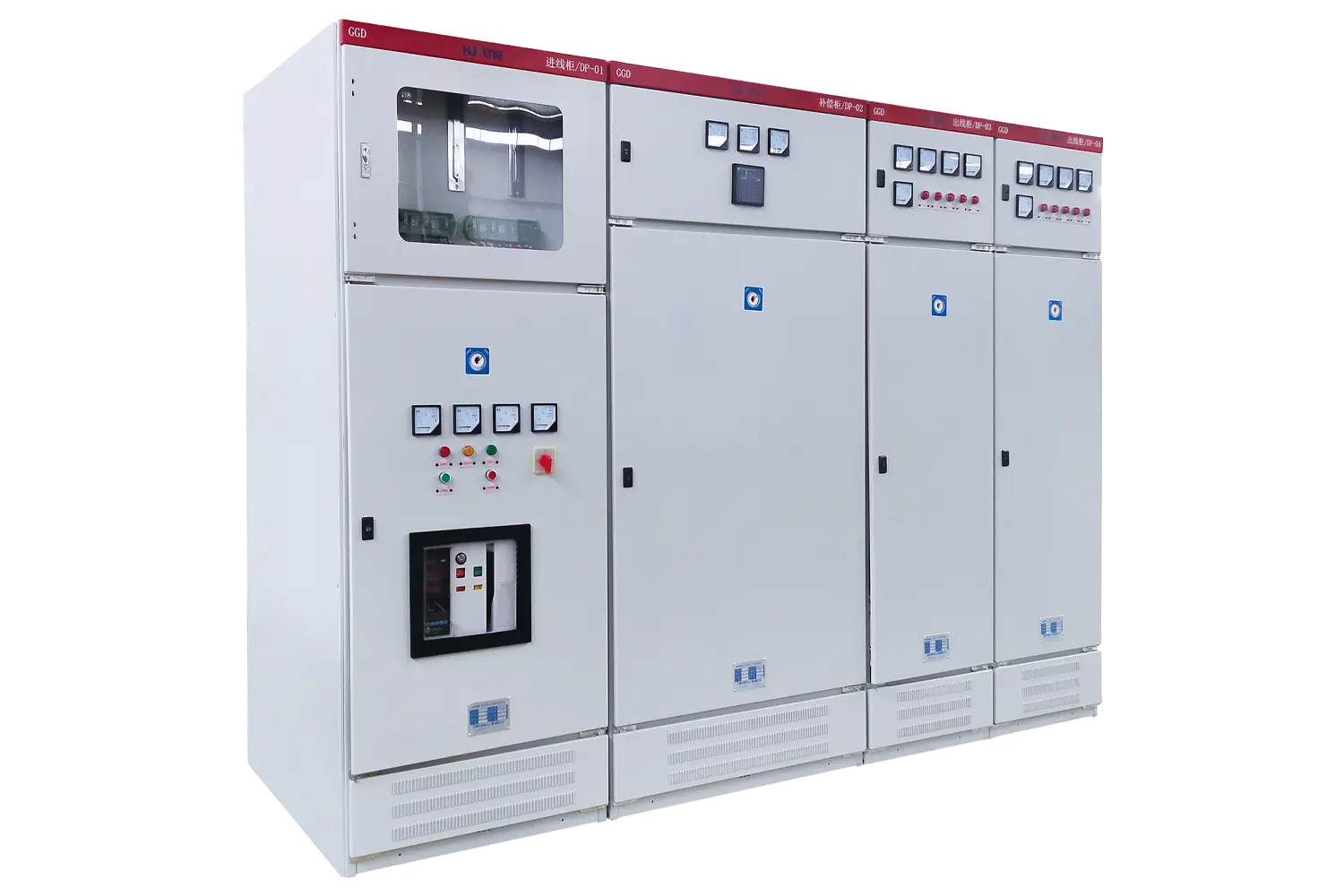
Product documents
Available test reports and manuals for the equipment shown on this page.
- HJ-FDS · Standards-change verification · 02501-24DQ5204
- HJ-MNS · Standards-change verification · 02501-24DQ5203
Each report identifies the tested model and configuration. Its results do not automatically apply to every product in a series. The download page explains the scope and includes the original report.
Questions and answers
Do certified breakers establish IEC 61439 compliance for a switchboard?
They support the device selection. The complete assembly still requires its applicable design verification and routine verification.
Is FAT the same as design verification?
No. FAT checks the agreed project deliverables and functions of the manufactured equipment. The design-verification basis must be established separately.
Sources and further reading
Read these publications alongside the project specifications and the documents for the equipment offered.
China National Standard Information — GB/T 7251.1-2023 ↗IEC Webstore — IEC 61439-1:2020 ↗IEC Webstore — IEC TR 61439-0:2022 ↗Procurement guidance. The project engineer and equipment manufacturer must confirm the final design and acceptance criteria.